Retellings are all the rage these days. Novels that put a fresh spin on a well-loved tale are not a new phenomenon, but they have turned into a publishing juggernaut in recent years, particularly in the Young Adult, New Adult, Fantasy, and Romance genres. From Madeline Miller’s Circe and The Song of Achilles to Sarah J. Maas’ A Court of Thorns and Roses and Chloe Gong’s These Violent Delights, readers have never been hungrier for books that play with timeless tales and reimagine classic characters. For those considering the industry side of things, a quick perusal of the Manuscript Wishlist website will confirm that agents and publishers share the public’s appetite for a good retelling.
Adapting an existing story into an original novel can prove just as rewarding for writers as it is for readers. On the one hand, referring back to a source text simplifies the planning and drafting process a great deal. Knowing the broad strokes of where a story is going allows the author more time to dwell on other aspects of their book – fleshing out the characters, cultivating a lush setting, honing the dialogue to a razor point. On the other hand, adaptation opens up a world of possibilities. Sure, readers might have read The Ugly Duckling, but have they read The Ugly Duckling in space? What about The Ugly Duckling as a gritty crime noir novel? The world is your oyster!
Having built-in reader expectations also allows writers to play with these expectations. What changes could you make to the original plot, and what would those changes say? How might the characters be reinterpreted to reflect the changing of the times? Adaptation, whether of the literary or filmic variety, implies a conversation between an author or director and his or her source text. When this conversation takes place over hundreds, or even thousands of years, it allows us to reflect on the historical past and the present moment. When it takes place across cultures, it allows us to reflect on the wider world and our own small place in it. Is adaptation easy? No. But it is the challenge that makes it so rewarding.
For anyone considering a retelling of a classic story as their next big project, here are five ideas you might consider:
Fairytales
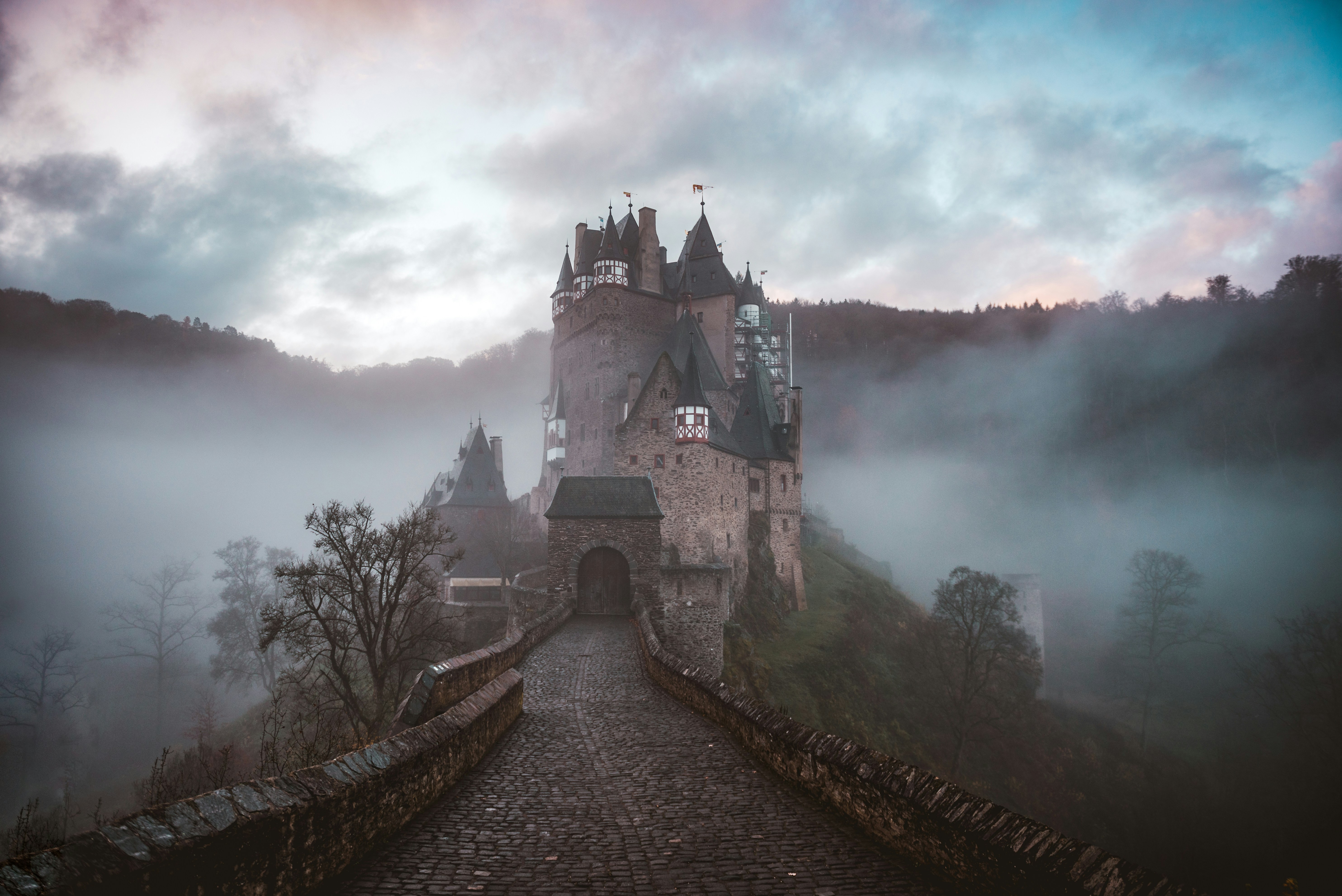
Where else to begin, but with fairytales? There is a reason Disney has returned to this particular well so many times, and made so many billions of dollars in the process. Fairytales tell simple stories with universal themes, and this lack of specificity makes them the ideal foundation for a larger, more complex novel. They also come with an inbuilt repertoire of recognizable symbols that can be called upon to provoke powerful emotions in the reader – think Cinderella’s glass slipper or Snow White’s poisoned apple. Changing the setting, perspective, or ending of a fairytale are all great ways to reinvent the original, but really, the only limit is your imagination.
While it might seem that all of the best fairytales have been adapted within an inch of their lives, this is largely survivorship bias in action. An exploration of fairytale collections such as Giambattista Basile’s Pentamerone, Grimms’ Fairy Tales by the Brothers Grimm, and Andersen’s Fairy Tales by Hans Christian Andersen will reveal dozens of amazing stories that have hardly seen the light of day. And that’s just Europe! Across the world, there are thousands of unique folk tales just waiting to be retold and reimagined. Who knows? Maybe your next novel is out there waiting for you! Happy reading – just make sure to treat cultures other than your own with the respect they deserve, and to do your research before publishing any stories that might not be yours to tell.
Myths & Legends
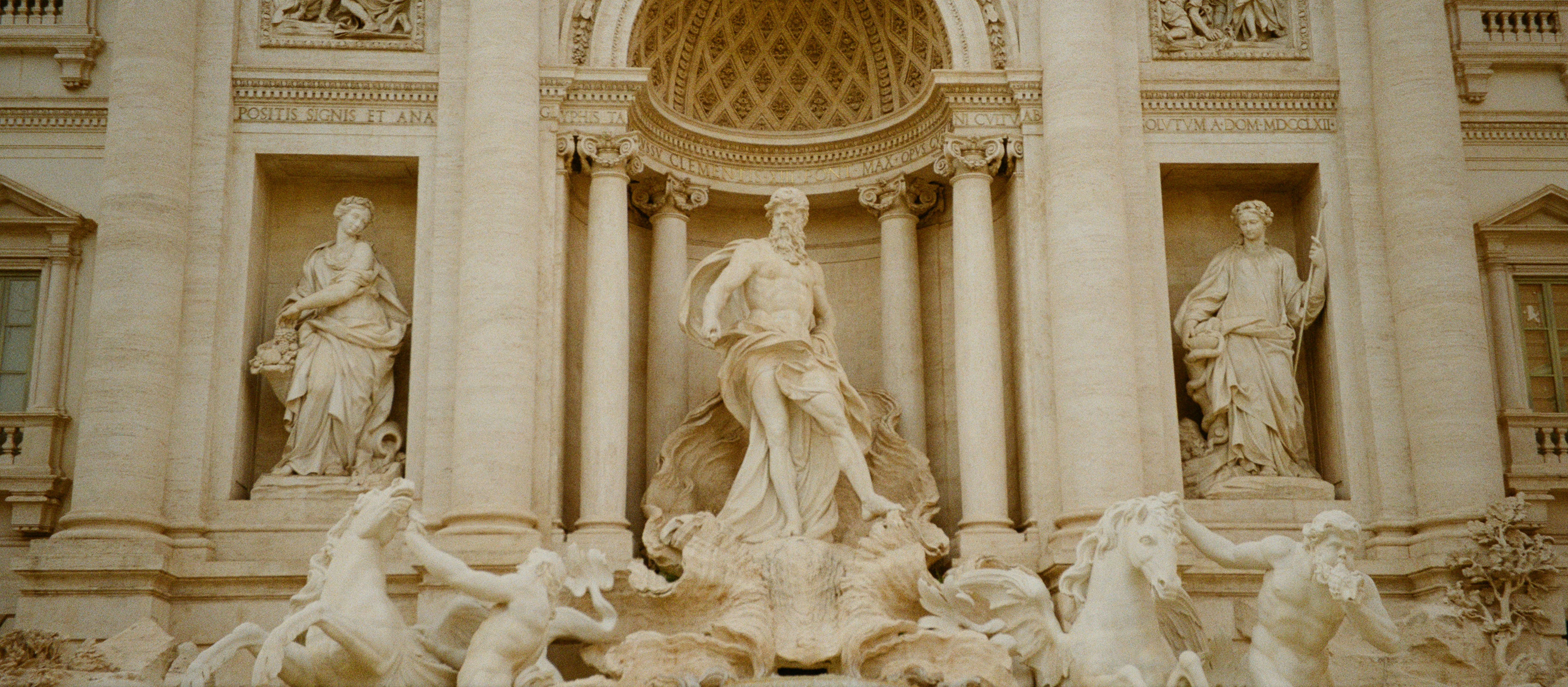
If fairytales are a little too whimsical for your taste, maybe you will find the story you are looking for in the annals of world mythology. Telling tales of gods, monsters, prophecies and heroes, myths and legends tend to operate on a grander scale than fairytales. These heightened stakes make for enthralling drama and earthshaking conflict. Family breakdowns and ill-fated romances are compelling enough in their own right – make the characters demigods or titans, and you’re in for a truly wild ride!
Mythology can be a particularly valuable resource for writers of fantasy. With deities, curses, and magical beasts aplenty, myths and legends provide all the ingredients for a spellbinding new world. Greek mythology is a popular starting point for those interested in incorporating mythological traditions into their writing, but it is far from the be-all end-all. Norse, Indian, Chinese, Jewish, and many other cultures all possess their own rich mythological traditions. Have a dig around online or at your local library and see what you can find! As with fairytales, just make sure to do your research before you begin writing. Not all cultures are equally welcome to outside interpretation, and it is important to consider one’s own positioning in relation to any text one seeks to adapt.

Classic Novels
If you are looking for a more realistic and robust narrative framework to build upon, a classic novel might be just what you need. While it might seem redundant to rewrite a novel that already exists, your retelling should bring something new and interesting to the table. You could transplant the characters and plot into a totally original setting, or you could write from the perspective of a character the original narrative neglects. You could even include the original novel as a metatextual element within your adapted story, if you’re feeling especially clever. With a little creativity, the potential for reinvention is enormous.
Of course, you cannot use just any novel for your adaptation. If you want to publish your reinterpretation as an original work, you will need to find a source text that you have the legal right to use. The easiest way to avoid any legal pitfalls is to choose an older book that has already entered the public domain. Charles Dickens, Jane Austen, and Charlotte Bronte have all seen their fair share of reinterpretation over the years, but there are plenty of possibilities beyond these well-loved classics. An exploration of Project Gutenberg will reveal thousands of titles just begging for a fresh coat of paint – some world-famous, others obscure. Take a look, and see what inspires you!

Poetry
On the other end of the spectrum, we have poetry. Where novels offer detailed plots and developed characters, poems tend to prioritize cultivating a mood and conjuring up a few memorable images. Many poems do express narratives of one kind or another, but as a general rule, these narratives are not expected to meet the expectations of clarity and complexity associated with prose fiction.
Following this line of logic, it might seem that poems are too fleeting and insubstantial to support a novel-length retelling. Yet for a writer eager to flex their creative muscles, the brevity and ambiguity of poetry can present a richly rewarding adaptational opportunity – the poem will provide the initial spark of inspiration, and you will do the rest. Whether such works technically qualify as “retellings” is an open question, but that hardly matters in the grand scheme of things. An enterprising writer should take inspiration wherever they find it, and poetry is a wellspring of inspiration unlike any other. Find a poem that leaves you hungry for more, and get writing!
Shakespeare
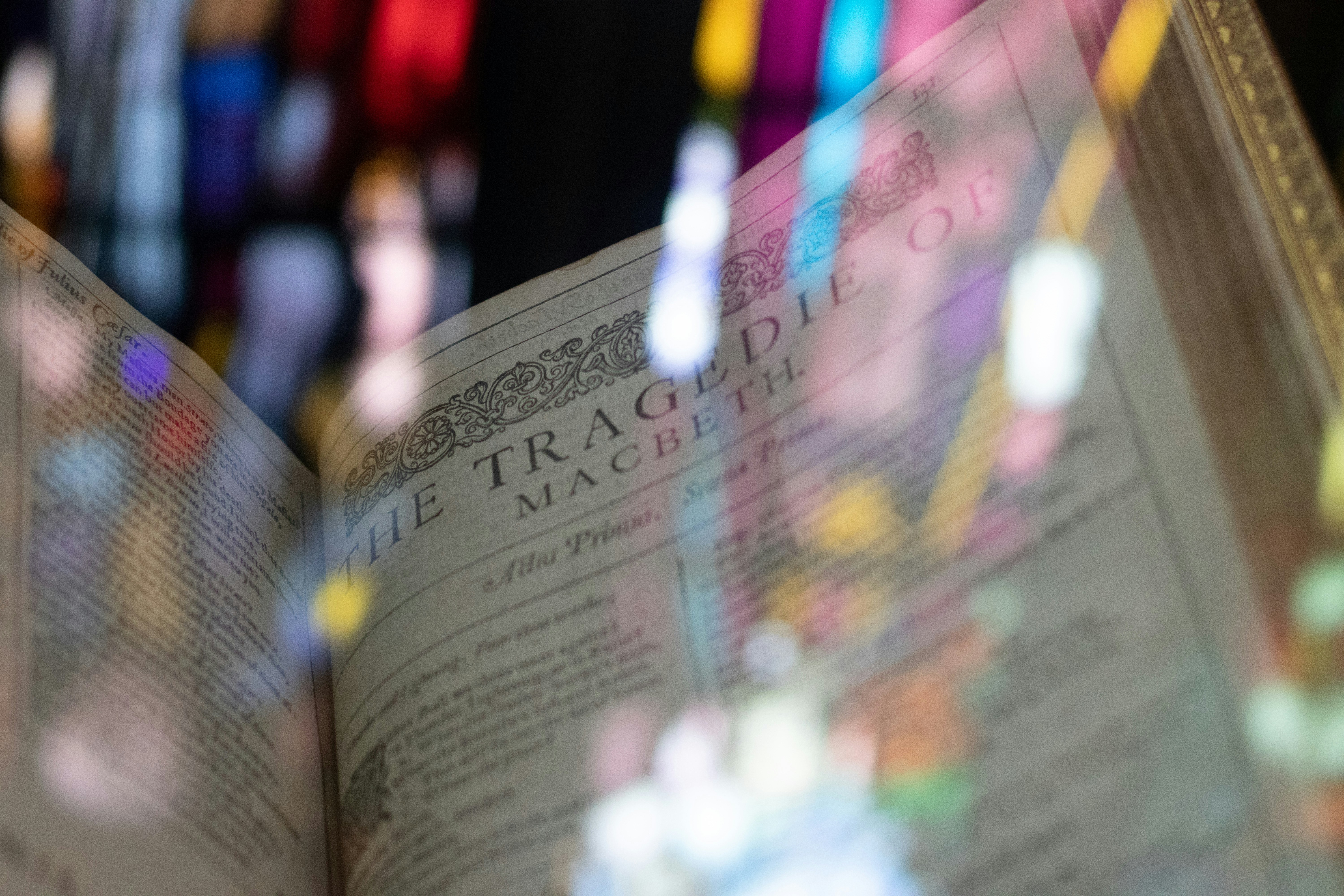
If any one man deserves his own spot on this list, it is Shakespeare. With dozens of plays covering a range of literary genres – tragedy, comedy, history – the Bard of Avon has something for everyone. Shakespeare’s gallery of characters is iconic, and his narratives have inspired creatives beyond count. Romeo and Juliet, King Lear, and Hamlet are three of Shakespeare’s most loved (and most adapted) plays, but there are plenty of other options for those looking for something less obvious.
While it might seem daunting to adapt a story from the most celebrated writer in all of English literature, keep in mind that Shakespeare himself was a master of reinterpretation. Drawing upon existing myths, legends, and histories, the Bard created stories that were all his own. More than four hundred years on, it is safe to say that those retellings have stood the test of time. Who’s to say your retelling won’t prove just as successful? (Fair warning: it probably won’t. But that’s okay. We can’t all be Shakespeare.)
Be brave, and have a go. Who knows? You might just have the next Lion King or Succession on your hands.
Well, there you go! Five ideas for stories to retell, each with their own advantages and disadvantages. Give one (or all) of these suggestions a go, and let me know what you come up with. I can’t wait to see your retelling on the shelf at my local bookstore.
 Eamon J. Campbell